At Hunter Valley Electrics, we’re dedicated to helping Newcastle, Central Coast, and Hunter Valley residents with professional solar panel installations. Upfront work to prepare your property for the installation process can make a big difference, saving you time, money, and ensuring your solar panels perform flawlessly from day one. By following this simple checklist, you can assist our installers and help your solar panels produce energy efficiently. Reach out to learn more.
Check Your Roof and Sunlight Exposure
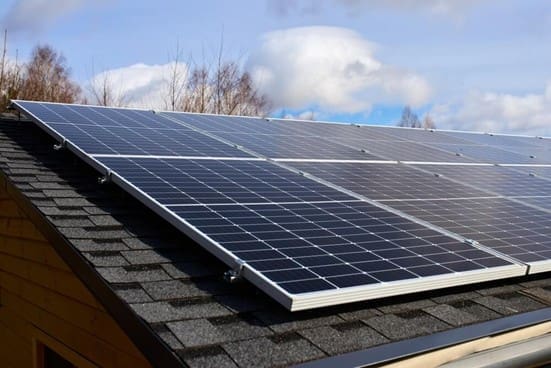
The integrity of your roof will significantly impact your solar installation’s success. Your roof’s current condition and sun exposure levels should be assessed before installation. First and foremost, ensure your roof is in good repair, free of cracked tiles, rust, or weak structural areas. An improperly maintained roof cannot support the added weight of the solar system. The roof also needs sufficient sun exposure throughout the day; any overhanging branches, neighbouring structures or other obstructions can cast shadows that may decrease solar output and performance. While the solar installer will determine optimal panel placement, prepping the roof prior to installation will expedite the process.
Electrical System and Safety Check
In addition to the condition of the roof, a home’s electrical system needs to be suitable for a solar power system. When a solar panel installer first arrives on the property to conduct a site assessment, one of the first things that will be inspected is the home’s switchboard. If your switchboard has not been upgraded since its initial installation or if your home’s wiring is antiquated and does not meet current safety standards, it may be too old to withstand the output from a solar system and may need to be upgraded to ensure a safe, reliable, and efficient solar install. The installer will also need to assess the wiring conditions of your home, look for any existing problems with circuit protection, and determine the meter’s accessibility to both the solar panel installer and the homeowner in the future.
Approvals, Access and Installation Readiness
Before the installation begins, certain permissions and preparations will be required. Grid connection approval must be sought and integrated into the main electricity grid. Another crucial decision during the process will be selecting the appropriate system size based on your home’s electricity consumption. On installation day, ensuring the property is easily accessible to the solar power installer will be extremely helpful, particularly as they will be carrying a lot of equipment and need unobstructed pathways. While installing, you will likely experience a temporary power outage, so have any necessary alternative charging methods for electronics and other devices available. Don’t forget to confine pets to a safe space.
Set Your Solar System Up for Success
The small step of a pre-installation inspection-examining your roof and electrical systems, obtaining approvals, and securing the installation site-is key to minimising installation time and maximising your long-term return on investment. Hunter Valley Electrics specialises in high-quality, efficient solar installations across NSW.
Contact Hunter Valley Electrics to schedule your site assessment and receive a no-obligation quote for your home solar system today.

Related Posts
Hunter Valley Electrics works with homeowners across Newcastle, the Hunter Valley, the Central Coast, Maitland, Port Stephens and Lake Macquarie to set their homes up for better energy use. Autumn is actually a great time to install solar as the [...]
-
Hunter Valley Electrics helps homeowners across the Hunter Valley, Newcastle, Central Coast, Maitland, Port Stephens and Lake Macquarie get more value from their solar systems. In this blog, we look at how solar smart monitoring can help you track energy [...]
Hunter Valley Electrics has been working with homeowners across Newcastle, the Hunter Valley, Central Coast, Maitland, Port Stephens and Lake Macquarie for more than 40 years, helping households reduce what they spend on electricity through reliable solar energy solutions. If [...]