Australian summers bring long sunny days, but extreme heat can actually reduce your solar system’s performance. The rising temperatures cause panel efficiency to decrease which prevents you from receiving optimal solar energy benefits. The Hunter Valley and Central Coast and Newcastle and Maitland and Port Stephens and Lake Macquarie residents need to make specific changes to their systems for better cooling and higher power output during peak usage times.
How Heat Affects Solar Performance
Heat influences the ability of solar cells to transform sunlight into electrical power. The testing process for standard conditions happens on panels but your roof will experience temperatures that go beyond those standards during summer afternoons. The hotter the panels run, the less efficiently they work. The system needs to achieve optimal panel positioning together with proper airflow and efficient monitoring systems which enable immediate detection and resolution of performance issues.
Optimising Panel Orientation and Layout
Your system’s orientation and tilt play a major role in summer performance.
Roof direction and tilt
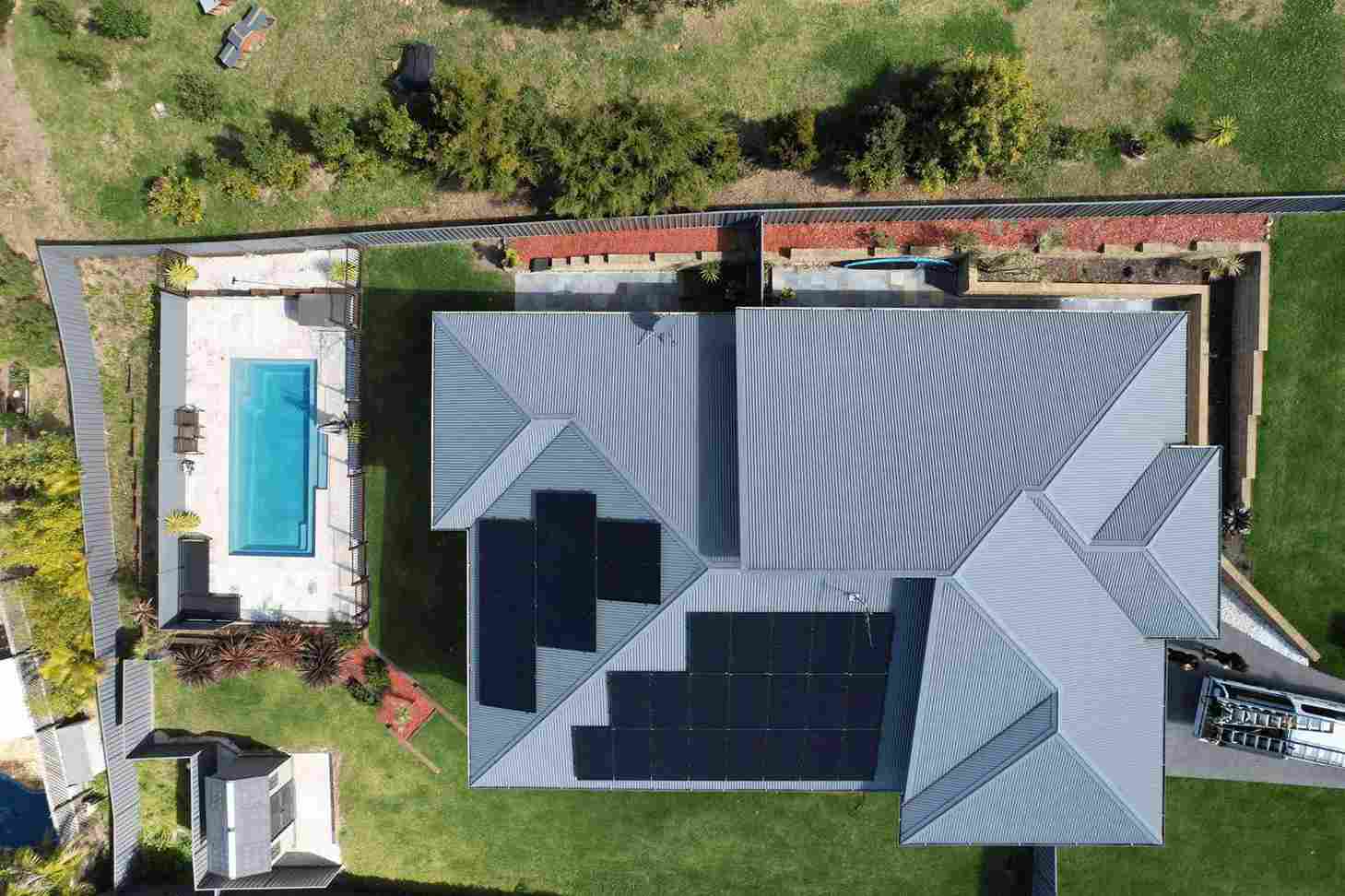
In most Australian locations, a north-facing roof with an appropriate tilt angle provides the best year-round performance. However, in very hot regions, slightly higher tilt and spacing can help increase airflow and reduce heat build-up. The system will generate power during late afternoon hours when household consumption reaches its peak by using arrays that spread across north and west orientations in homes with multiple roof aspects.
Improving Airflow Around Your Panels
Airflow around the panels makes a big difference in summer efficiency.
Racking and ventilation
Panels installed directly onto hot roofing materials tend to retain heat. Using racking systems that maintain space underneath the panels allows air to circulate and dissipate heat more effectively. Clearing debris from gutters and roof areas also helps air move freely.
Hunter Valley Electrics can advise on mounting solutions and installation arrangements that balance aesthetics, safety standards, and cooling efficiency during upgrades or new installations.
Cleaning and Maintaining Your System in Summer
Regular cleaning and maintenance help your system work harder in hot weather.
Simple DIY checks and cleaning
Dust, ash, bird droppings, and coastal salt can combine with heat to significantly reduce output. Cleaning panels during the cooler parts of the day using water and a soft brush can restore lost efficiency. The system needs professional inspections at specific intervals to check its cables connectors and inverters before summer power peak demand starts.
Monitoring Performance to Catch Issues Early
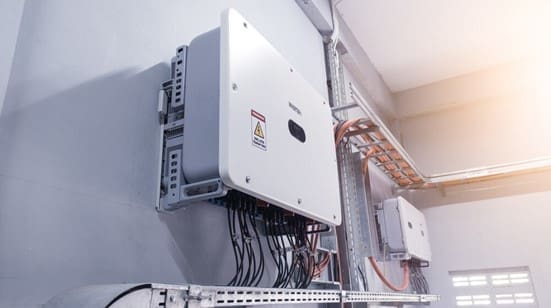
Performance monitoring is the final piece of the puzzle. The monitoring platform and inverter app enable users to track solar output data which then gets compared to standard performance patterns. The system shows faults when it experiences unexpected drops and midday shading and when one string produces significantly less power than the others. The early detection of these issues stops performance from declining for an extended period.
Get Expert Help Optimising Your Summer Solar
Simple steps like optimising orientation, improving airflow, cleaning panels, and keeping an eye on system data can significantly boost your summer output. If you are unsure how well your system is performing, or you are planning an upgrade, professional advice can make a big difference.
For expert help in maximising your solar performance this summer, contact Hunter Valley Electrics on 02 4915 2353 or email daniel@huntervalleyelectrics.com.au to book a solar assessment or maintenance visit.

Related Posts
Home solar systems operate with high reliability, but they will develop problems like all other technological systems during their operational lifespan. Homeowners experience various common issues with their solar systems which include reduced power output and inverter error messages and [...]
Solar panels experience sunlight exposure reduction because dust together with bird droppings and salt and pollen accumulation happens over time. The accumulation of trash becomes more visible in areas which exist along coastal regions and rural zones as well as [...]
The conventional grid tie solar inverter is used to change the DC output of solar panels into an AC supply to power your household and excess into the mains electricity grid. Although suitable for households without batteries, it may pose [...]