
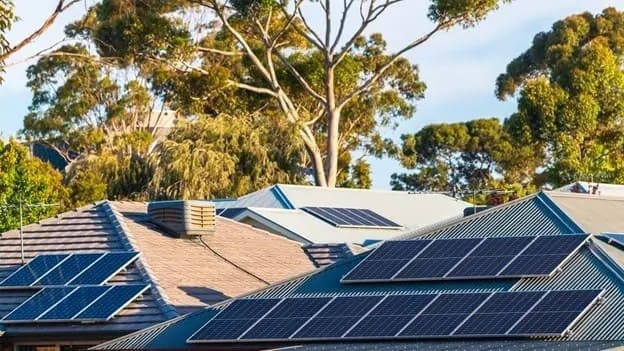
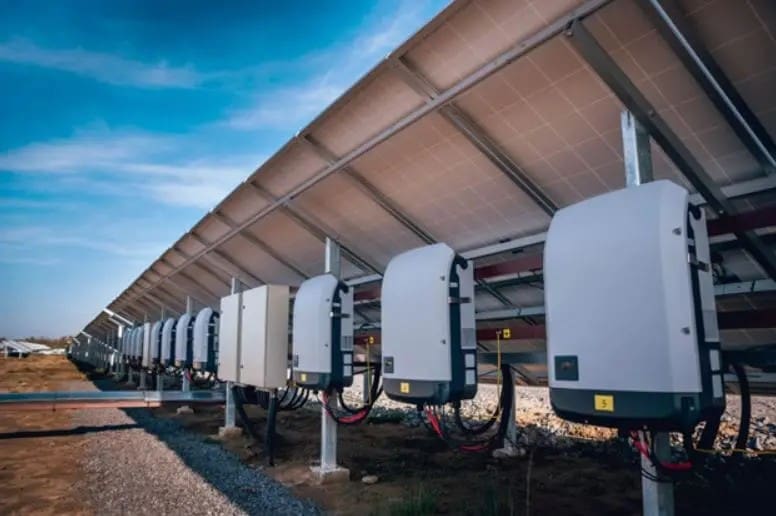

Solar panels experience sunlight exposure reduction because dust together with bird droppings and salt and pollen accumulation happens over time. The accumulation of trash becomes more visible in areas which exist along coastal regions and rural zones as well as next to trees and heavily trafficked roads. The system performance benefits from heavy rain, but regular light cleaning helps maintain its performance and appearance when done correctly.
Safety First: Before You Start
The first rule is safety. Begin your work by turning off the solar system through the shutdown procedure which appears on your inverter or switchboard. The best time to clean panels happens during early morning or late afternoon when the glass temperature is low because water cooling at midday can lead to cracks in the glass. Homeowners should avoid roof access by using long-reach tools or hiring professional cleaners for roofs which present safety risks because of their slippery surfaces or hard-to-reach areas.
The Right Tools and Products to Use
Specialised chemicals or high‑pressure cleaners are not necessary for this task. In fact, these can do more harm than good. The manufacturers suggest using clean water together with mild detergent and soft tools when cleaning. The cleaning process requires only a hose with a gentle spray and a bucket of water together with a soft sponge or soft-bristle brush which needs to be attached to a pole. Avoid abrasive pads, metal scrapers, scourers, and pressure washers, as they can scratch the glass or damage seals and frames.
Step-by-Step Guide to Gentle Panel Cleaning
Step 1: Clean the Panels
Start by rinsing the panels with clean water to remove surface dust and grit. This prevents particles from scratching the glass during cleaning.
Step 2: Apply Soapy Water
Dip a soft-bristled brush or sponge in clean, soapy water and gently scrub away the remaining dirt and bird droppings. Work gently without using too much pressure to avoid damage.
Step 3: Rinse Thoroughly
Rinse the panels once again with fresh water until all soap residue is gone. Remaining soap can cause streaks and attract more dirt.
Step 4: Drain Excess Water
Water should be squeegeed from panels using a plastic-bladed, pole-mounted squeegee to minimise water stains.
Safety Precautions
• Do not step on panels or frames. Keep your balance and do not walk on any part of the panels or supports.
• Wear non-slip shoes and use a stable ladder when climbing.
• Have an assistant present to handle the equipment and help in case of an emergency.
• Report damage immediately. Cracked glass, loose cables, burn marks, or damaged mounting require the immediate attention of a licensed solar electrician. Never attempt any repairs yourself.
When to Clean and Who to Call
For many homes, a light cleans once every year or two—plus normal rainfall—is enough, especially if panels are tilted and not under heavy pollution or tree cover. The monitoring app lets you assess the value of cleaning operations because you can track power production changes before and after the cleaning process. The safest and most efficient method for cleaning large systems or difficult rooftop areas or tough dirt requires professional services.
Get Help with Solar Maintenance
If you would like advice or professional help with solar panel cleaning and maintenance in the Hunter Valley, Central Coast, Newcastle, Maitland, Port Stephens, or Lake Macquarie, contact Hunter Valley Electrics on 02 4915 2353 or email daniel@huntervalleyelectrics.com.au.
Related Posts
Hunter Valley Electrics works with homeowners across Newcastle, the Hunter Valley, the Central Coast, Maitland, Port Stephens and Lake Macquarie to set their homes up for better energy use. Autumn is actually a great time to install solar as the [...]
-
Hunter Valley Electrics helps homeowners across the Hunter Valley, Newcastle, Central Coast, Maitland, Port Stephens and Lake Macquarie get more value from their solar systems. In this blog, we look at how solar smart monitoring can help you track energy [...]
Hunter Valley Electrics has been working with homeowners across Newcastle, the Hunter Valley, Central Coast, Maitland, Port Stephens and Lake Macquarie for more than 40 years, helping households reduce what they spend on electricity through reliable solar energy solutions. If [...]