
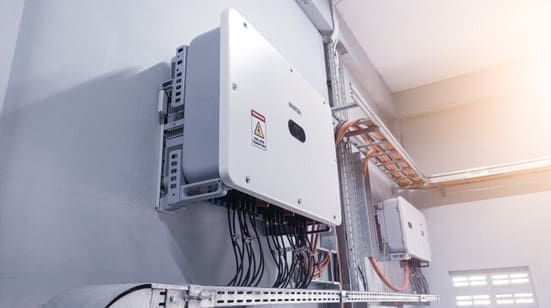
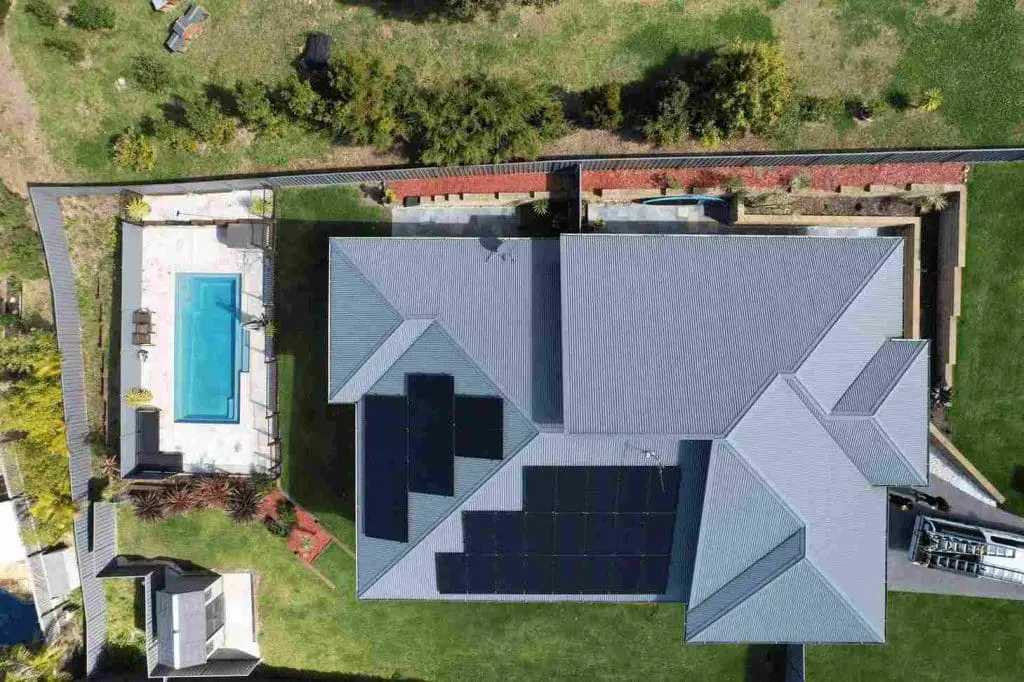
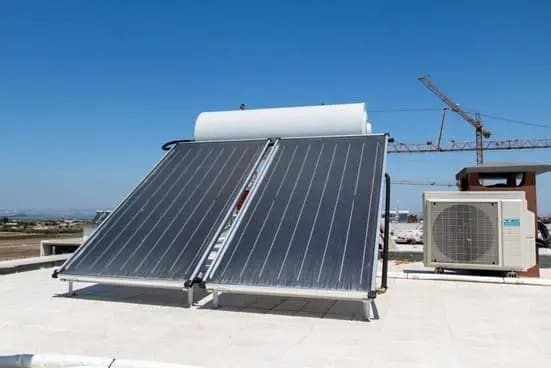
A well-sized solar battery system stores excess solar energy generated during the day for use at night, helping reduce electricity bills and reliance on the grid. An undersized battery means you’ll still need to buy electricity in the evenings, while an oversized system leaves you paying for storage capacity you don’t fully use. The right balance comes from understanding your energy needs, your solar system’s performance, and what you want the battery to do.
Why Battery Sizing Matters
Since choosing the correct battery size will ensure your solar investment value is delivered, the objective would be to maximise the self-consumption of solar energy without having to pay for excess capacity that may never be used.
Understand Your Day and Night Energy Use
First, look through your electricity bills and try to determine exactly how much you are paying in kWh on a daily basis. Especially note how many watts of power you use per day at night.
Reading your power bill
This is because most households use approximately 60-70% of their electricity during nonsolar hours, especially in the evening. For instance, a home using 18 kWh per day and approximately 11-12 kWh overnight will find that a battery with 10-12 kWh of usable capacity is generally a good starting point.
Match Battery Size to Your Solar System
Your solar panels will have to generate enough every day for the battery. Otherwise, you might end up paying for storage capacity that is mostly unused.
Typical size for common solar systems
As a rule of thumb, most Australian households match their 6.6 kW solar system with an 8-12 kWh battery. The larger systems of 10 kW and over could be matched with 12-20 kWh, depending on how much of your home you would like to power with stored energy. The number of panels and local sunlight conditions will come into play to determine how much battery capacity your system can support.
Decide What You Want the Battery to Do
Your goals play a significant role in determining the appropriate size of the battery. For many households, this means targeting evening and early-morning usage for lighting, fridges, TVs, and devices rather than running high-consumption appliances overnight.
Backup vs bill savings focus
If backup power during outages is important, a larger battery may be required. This also involves deciding which essential circuits (such as lights, internet, and selected power points) will be supported during a blackout.
Plan for Energy Needs of the Future
Future plans count. Adding an electric vehicle, pool, spa, or increasing work-from-home hours can greatly raise nighttime energy usage. With a modular battery system, you could initially buy a smaller capacity and add to it later; this is rather than purchasing more capacity upfront than you’ll need for several years.
Get Expert Help Sizing Your Solar Battery
The right size of the battery depends on your electricity bills, lifestyle, solar system, and budget. An experienced installer can model different options and explain how each size affects payback time and grid reliance.
For personalised advice on the ideal solar battery size for a home in the Hunter Valley, Central Coast, Newcastle, Maitland, Port Stephens, or Lake Macquarie area, please don’t hesitate to contact Hunter Valley Electrics on 02 4915 2353 or email daniel@huntervalleyelectrics.com.au for expert advice and installation assistance.

Related Posts
Hunter Valley Electrics works with homeowners across Newcastle, the Hunter Valley, the Central Coast, Maitland, Port Stephens and Lake Macquarie to set their homes up for better energy use. Autumn is actually a great time to install solar as the [...]
-
Hunter Valley Electrics helps homeowners across the Hunter Valley, Newcastle, Central Coast, Maitland, Port Stephens and Lake Macquarie get more value from their solar systems. In this blog, we look at how solar smart monitoring can help you track energy [...]

Hunter Valley Electrics has been working with homeowners across Newcastle, the Hunter Valley, Central Coast, Maitland, Port Stephens and Lake Macquarie for more than 40 years, helping households reduce what they spend on electricity through reliable solar energy solutions. If [...]